
Operations · October 2026
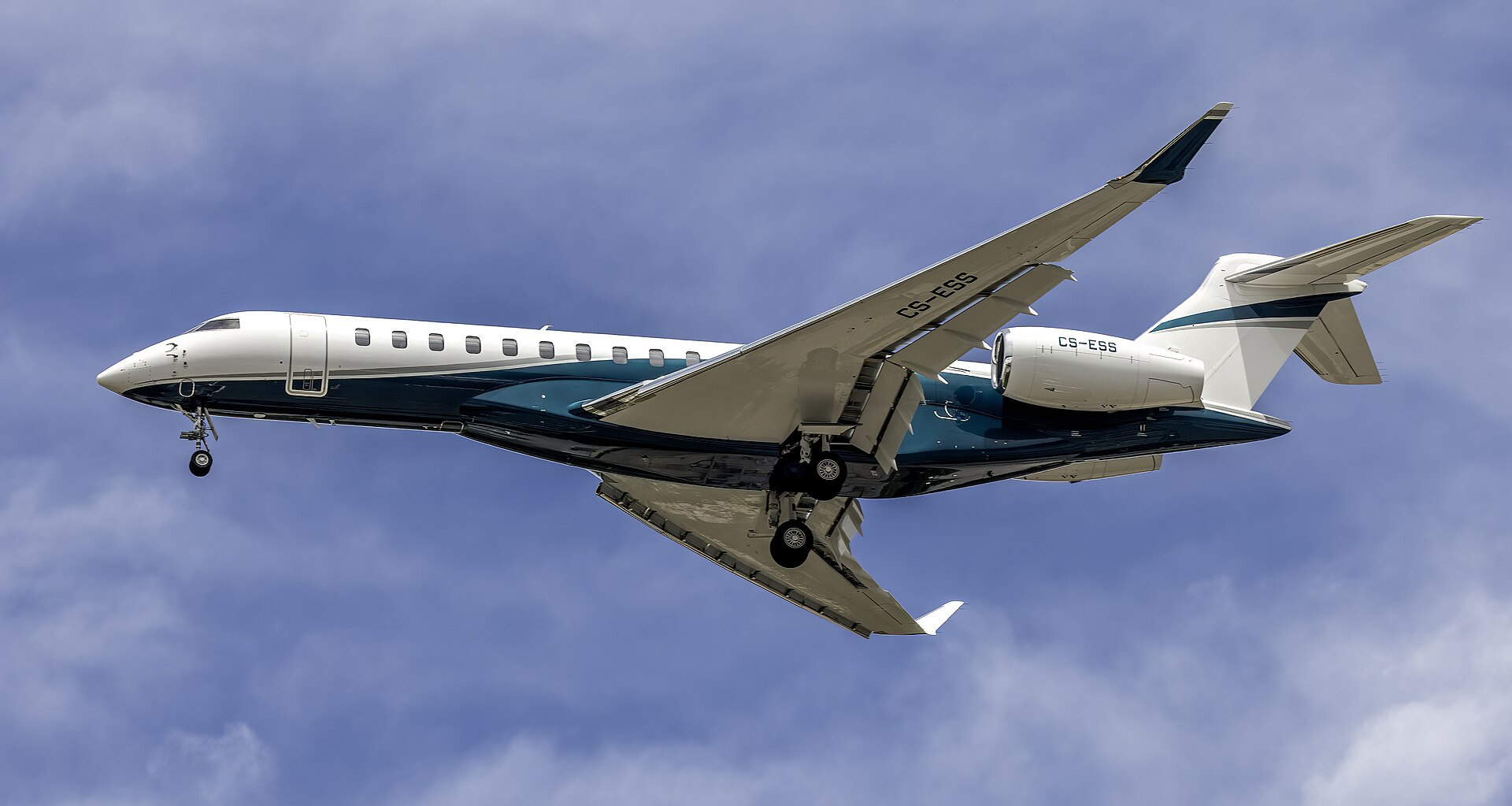
Photo: Acroterion / Wikimedia Commons, CC BY-SA 4.0
A freelance heavy jet captain is an experienced commander who flies large business jets on contract, rather than as a permanent employee of one flight department. The cabin, the aircraft and the operator stay the same. Only the paperwork behind the left seat changes.
For a Global 7500, a G650 or a G700, that seat carries real weight. Therefore the question is rarely whether a contract captain can fly the aircraft. Instead, it is whether the right captain can join the right operator, legally and smoothly, in time for the trip.
What a freelance heavy jet captain actually is
In practice, a contract captain is a fully qualified pilot in command who holds a current type rating on one or more large-cabin aircraft. He or she works for several owners or operators over a year. Some contracts last a single trip. Others cover a season, a delivery or a fixed rotation.
Crucially, freelance does not mean informal. The captain flies under the operator’s manuals, procedures and approvals, exactly like a staff pilot. The difference is commercial, not operational.
Why owners, operators and charter companies use one
Sickness and rest cover
Crews are small. A typical heavy jet flight department may run two or three captains. If one falls ill, or a rest period would otherwise ground the aircraft, a contract captain keeps the schedule intact. As a result, the owner’s trip happens on the planned day.
Peak season
Demand is uneven. For example, winter sun, the ski season, summer on the Riviera and large events all compress into a few weeks. During those peaks, an extra captain lets an operator accept trips it would otherwise decline.
Long-haul augmented crews
Long sectors change the crew equation. Beyond certain flight duty periods, rules require an augmented crew, typically a third pilot, with in-flight rest in a proper crew rest area. A freelance captain is often the simplest way to add that third seat for a single long leg, such as Paris to Johannesburg or Geneva to Luanda.
New deliveries and ferry flights
Similarly, a new aircraft delivery, a positioning flight to a maintenance facility or a ferry flight after a sale all need a current crew. However, the permanent team may be busy, not yet trained on the type, or not yet hired at all.
Type-rating scarcity
Type ratings on the newest large-cabin jets remain relatively rare. In addition, the training is long and expensive. A pilot already current on the Global 7500 or the G700 is therefore valuable, especially in the first months after a fleet change.
Cost compared with a full-time hire
Finally, there is cost. A full-time captain means salary, benefits, recurrent training, a type rating and often relocation, all year round. A freelance heavy jet captain is paid for the days flown, plus agreed costs. For an aircraft flying a few hundred hours a year, that difference can be significant. Even so, most owners keep a permanent core crew and use contract pilots as a flexible layer around it.
How it works in practice
Licences and validation
First, the licence. A captain normally holds an ATPL issued under ICAO standards, sometimes alongside an FAA ATP. If the aircraft is registered in another state, its authority must usually validate that foreign licence. Bermuda, the Isle of Man, Malta and the Cayman Islands are common registers for large business jets, and each has its own validation process.
Type ratings and recurrent training
Next, the type rating must be current. In addition, recurrent simulator training and proficiency checks happen at fixed intervals, usually at an approved training centre such as CAE or FlightSafety. Variants matter too. For instance, moving from the Global 7500 to the Global 8000, or from the G650 to the G800, normally requires a differences course rather than a full new rating.
Insurance
Meanwhile, the aircraft’s hull and liability insurers will want to know who flies. Most policies set minimum experience levels by type, and some name approved pilots. Consequently, the operator usually sends the freelance heavy jet captain’s records to the insurer before the first flight.
Operator approval
Under an air operator certificate, a contract captain must complete the operator’s own induction. That means manuals, standard operating procedures, a line check and any route or aerodrome qualifications. On a private, non-commercial aircraft, the manager still runs a similar process, although the formal requirements differ.
Duty and rest limits
Flight and duty time limits apply to contract pilots just as they apply to staff. Therefore a captain who has just finished a long rotation elsewhere may not be available tomorrow. A good operator asks about recent duty before confirming dates, not after.
When a contract captain is not the answer
Contract cover has limits. For example, an aircraft that flies every week with the same family on board usually benefits from a stable crew who know the passengers, the cabin and the habits of the household. Likewise, a captain who joins for one trip will not carry the long memory of a permanent team.
Timing is another limit. Validation, insurance approval and operator induction can take days, and sometimes weeks. So a contract captain works best when the need is identified early, rather than the evening before departure. In short, the model rewards planning.
What to look for in a contract captain
When you compare profiles, look past the total hours. Instead, ask a few precise questions:
- Hours on the exact type, and hours as pilot in command on that type.
- Date and place of the last recurrent training and proficiency check.
- Licences held, and validations for your aircraft’s register.
- Medical class and expiry date.
- Experience on your routes, including airports with limited support.
- Language proficiency, ideally ICAO Level 6.
- References from operators who have used the pilot recently.
Above all, look for calm judgement. On a long leg over Africa, with weather to the south and a tight curfew at destination, that matters more than any number on a CV.
For background on buying and operating large jets, our guide to the pre-purchase inspection of a business jet and our Europe–Gulf airspace guide show how much planning sits behind each sector. You can also browse our long-range jet hire options.
A freelance heavy jet captain for Europe–Africa legs, from Menkor
From 3 November 2026, Menkor Aviation can provide an experienced freelance heavy jet captain, our partner captain, for long Europe–Africa legs. His verified experience:
- Bombardier Global 7500: 1,500 h as captain since 2020. Recurrent training and PIC check at CAE on 9 October 2026. Global 8000 differences completed on 11 October 2026.
- Gulfstream G700: 450 h, with G800 differences.
- Gulfstream G650: 1,390 h.
- 13,280 h total, including 9,340 h as jet pilot in command.
- Seven years flying in Angola, and based in South Africa.
- FAA ATP, ICAO ATPL (South Africa), Bermuda validation, ICAO English Level 6, FAA First Class medical valid to April 2027, and current First Aid.
To discuss dates, aircraft and routing, send us a note through our quote page or our contact page, or write to [email protected]. We will confirm availability and the operator steps needed before the first flight.