Aviation operations · October 2026
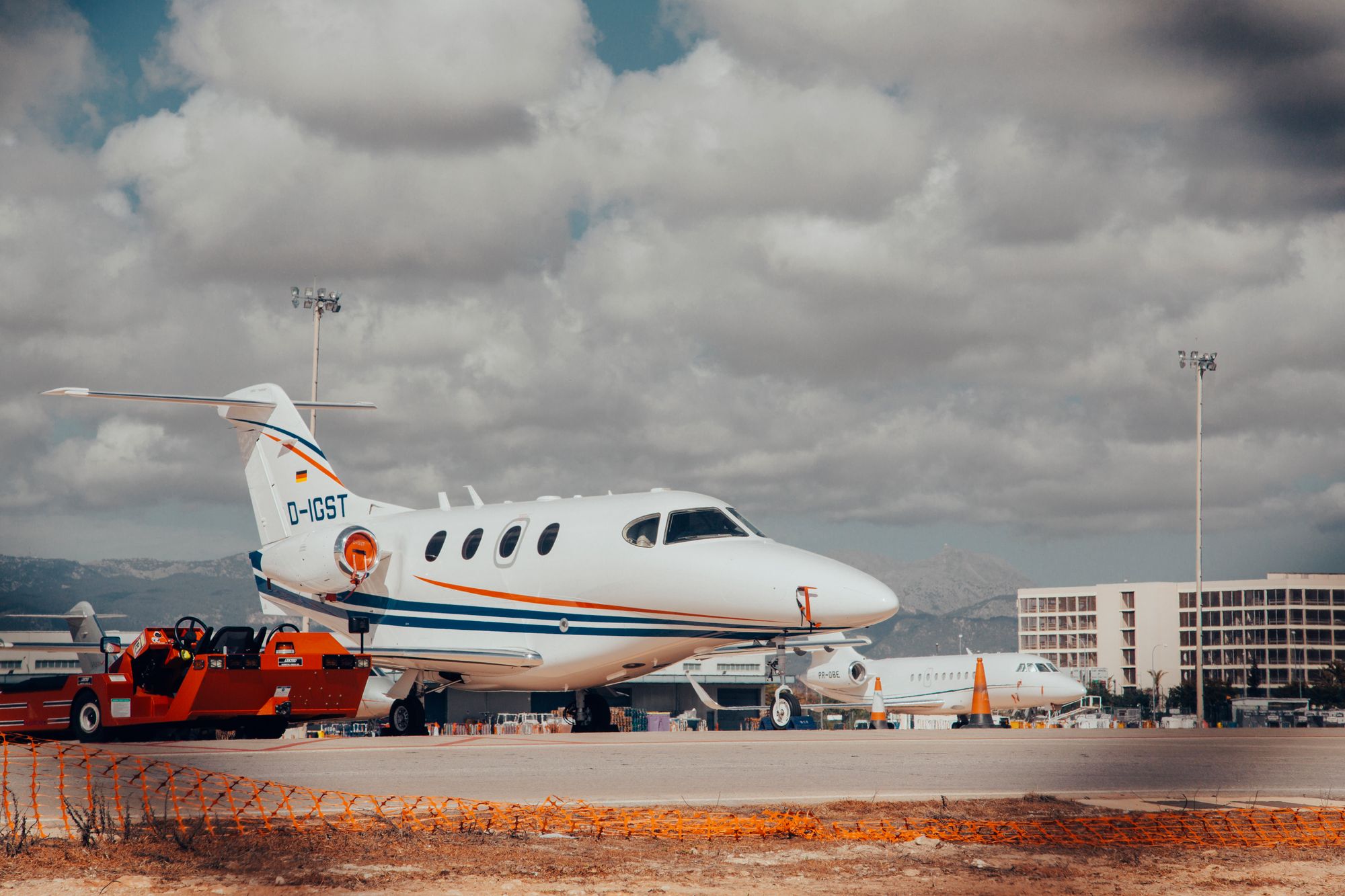
The FBO is the private terminal: aircraft, cars and lounge sit on the same apron. Photo: Nadine Ginzel / Pexels.
A private jet does not land at a commercial gate. It lands at a fixed-base operator. So what does an FBO do? It holds the airport’s mandate to handle aircraft outside scheduled airline service. Fuel, parking, a lounge and a car to the door form the visible package. But the purpose is narrower than the marble: keep the aircraft legal, shorten the turn, and keep passengers off the public terminal.
A lease, not a logo
An FBO is a commercial tenant. It holds a lease or licence from the airport authority. In return, it must offer set aeronautical services to the general-aviation public. SKYbrary’s plain definition of a fixed-base operator still holds. The airport grants fuel, parking and hangar space, and crews who are not flying a scheduled service buy those services. The name is older than the lounges. After the 1926 Air Commerce Act in the United States, mechanics and instructors who had worked “on the road” had to plant a permanent base. Cutter Aviation started in Albuquerque in 1928. Industry writers still cite it as the longest continuously running FBO.
At a small field the airport itself may pump the fuel. At Teterboro, Le Bourget, Van Nuys or Dubai South, several private operators compete on the same airport. The passenger rarely sees the lease. The crew sees the ramp fee, the fuel price and the slot status. They need that slot confirmed before they file the flight plan.
What does an FBO do between chocks and departure
The sequence is standard, even when the furniture is not.
- Prior permission, parking and, where required, a slot or curfew check — Farnborough will not accept a flight plan naming EGLF until permission is already granted.
- Marshalling, chocks, ground power, and a fuel order in litres or US gallons, with the release signed by the captain.
- Lavatory and potable water, cabin cleaning, catering handoff, GPU or air-start if the auxiliary power unit stays off.
- Passenger handling on the airside: security screening, customs and immigration where the FBO is a port of entry, then a car to the aircraft steps.
- Crew desk: weather, NOTAMs, a quiet room, and sometimes a maintenance call-out if a squawk appears on the inbound.
Line service is the revenue engine that passengers never photograph. Operators buy Jet A wholesale — Avfuel, World Fuel, Shell, a national oil company — and sell it with a handling bundle. Hangar nights, de-icing, quick-turn fees and concierge sit on top. A pretty lounge does not pay the lease. Fuel and overnight parking do.
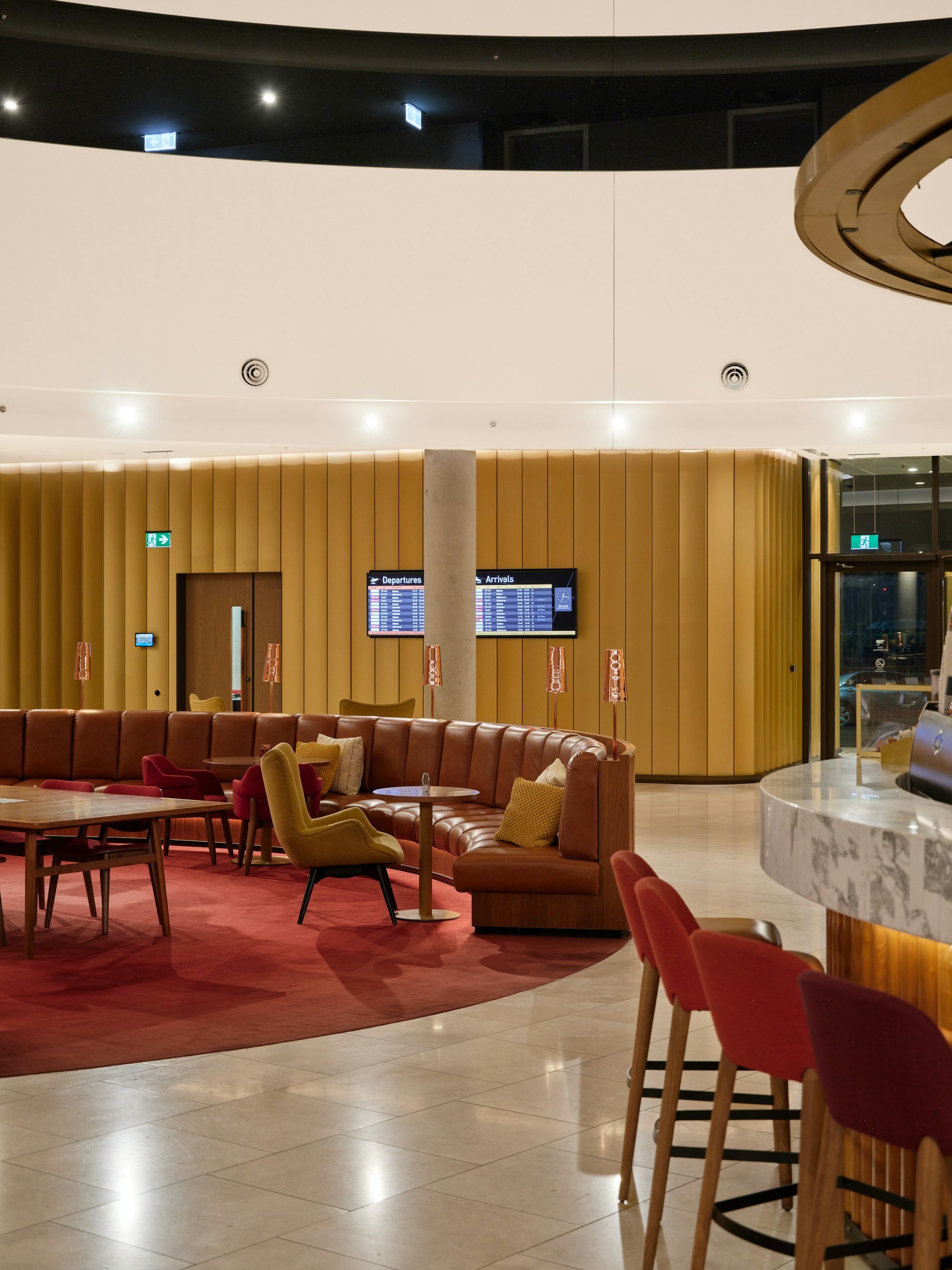
An FBO lounge is the passenger-facing room; the ramp work sits on the other side of the glass. Photo: Neon Wang / Unsplash (Canberra Airport lounge — generic terminal interior, not a named FBO brand).
How the networks describe the job
The large operators do not introduce themselves as fuel stations. They pitch the last reliable mile of the mission.
Signature Aviation runs the largest network, with more than 200 locations in 27 countries. It calls itself an aviation hospitality company. Its own pages promise consistency: the same greeting, the same line standard, and a quick-turn product for crews who cannot lose twenty minutes to a slow truck. CEO Tony Lefebvre frames the brand as exceeding expectations “at every step of the guest journey.” For a dispatcher, that means one handling agreement and a known ramp procedure from Las Vegas to a European station.
Jetex, founded in Dubai in 2005 by Adel Mardini, talks in terminal language. Its Dubai flagship at Al Maktoum (DWC) pairs about 1,500 m² of lounge with a 50,000 m² ramp. Designers link the furniture to Zaha Hadid. A Rolls-Royce airside transfer completes the pitch. Jetex sells a five-star arrival, not a handling shed. Underneath, the claim is IS-BAH Stage 2 and NATA Safety 1st, plus fuel, security and flight planning. The network now counts on the order of 40 terminals. Hospitality is the storefront. The certificate is what a safety manager reads.
ExecuJet, Universal and the airport case
ExecuJet started at Lanseria in 1991. It now sits inside a wider Luxaviation ground footprint. Its shorter line reads: “Just fly. We handle the details.” The published mission puts safety first, then a handling product meant to match in Johannesburg, Melbourne or a European city. Universal Aviation is blunter still: “Making the last mile of your mission amazing.” It runs owned FBOs and general-aviation terminals. Where it does not own the ramp, it supervises third-party handlers. Several flagship stations hold IS-BAH through Stage 3.
Farnborough is the exception. It is a business-aviation airport, not a shared commercial field. The airport’s own team handles visiting civil aircraft on the North Apron. Crews do not pick Signature versus Harrods the way they do at Luton. TAG Aviation keeps a large maintenance and lounge presence on the field. The purpose stays the same — aircraft in, passengers out, without a scheduled-airline concourse. The commercial structure is an airport product, not a competing FBO brand.
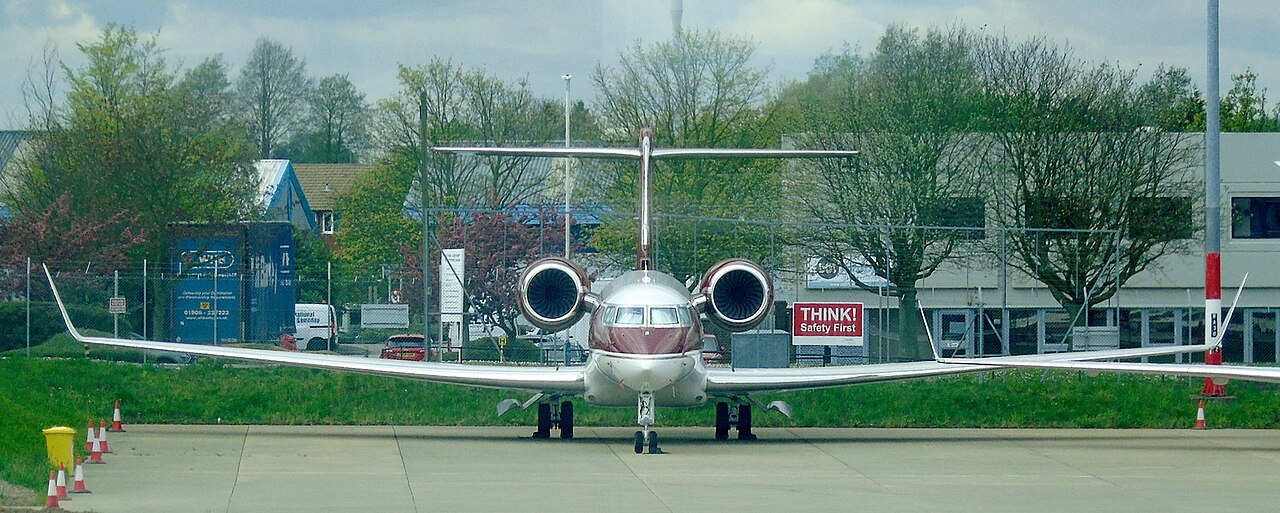
At a dedicated business-aviation field the “FBO” can be the airport itself — or a branded handler on the same apron. Private jet at London Luton Airport. Photo: Thomas Nugent / Geograph, CC BY-SA 2.0 (via Wikimedia Commons).
Why the charter desk cares
For the passenger, the FBO means privacy and time: no kerbside queue, a car that meets the wing, a departure free of airline push banks. For the operator it is a constraint. Curfews, prior permission, de-ice capacity, a single fuel truck at a remote African field, or a full hangar on a storm night will move a schedule more often than cruise speed will. That is why the charter desk writes the brief and the ground plan together.
A good handling plan names the FBO before anyone picks the aircraft. First it confirms whether the station is a customs airport and whether the crew can rest on site. Next it weighs contracted versus retail Jet A against the expected cost of the trip. The plan also checks whether the ramp can take the wingspan — including a long-range type when the city pair needs it. IS-BAH stage is a useful screen, not a guarantee. The useful question is who is on the radio when the aircraft is ten minutes out.
Menkor Aviation builds the ground plan into the charter, not after it. If a city pair depends on a specific FBO — slot, customs hours, hangar, or a quick turn — a charter adviser can match the aircraft and the handler before the trip is sold.
Sources
SKYbrary, Fixed Base Operator; Signature Aviation, about pages and AIN rebrand coverage (March 2024); Jetex Dubai station page and company history; ExecuJet, “Our Story”; Universal Aviation, FBO and ground support; Farnborough handling notes via airport and industry guides. Figures are those published by the operators and may change with leases and awards.